
Organic, Natural, Biodynamic, Low-Calorie Wines: It’s Complicated
We all want to be healthier with our food and beverage choices—some of us more than others—but the line is usually drawn at flavor. Only you can decide if Natural, Organic, Biodynamic, or Low-Calorie wines are right for you, or at least worth a try. These wines are, for the most part, made with organically grown grapes. Each category follows different production processes to achieve distinct outcomes, and in some cases, certifications.
What began as our curiosity about wine innovation turned out to be a rediscovery. America’s first organic winery, Frey Vineyards (1980), and its first biodynamic winery (1996) have been quietly leading the way for decades. In Europe, biodynamic principles date back to the 1920s. Today, these production styles have become opportunities for vintners to meet the growing demand of health-conscious consumers seeking sustainability, transparency, and environmental friendliness in their wines.
Let’s take a look at what makes these wine styles stand apart.
Organic Wines
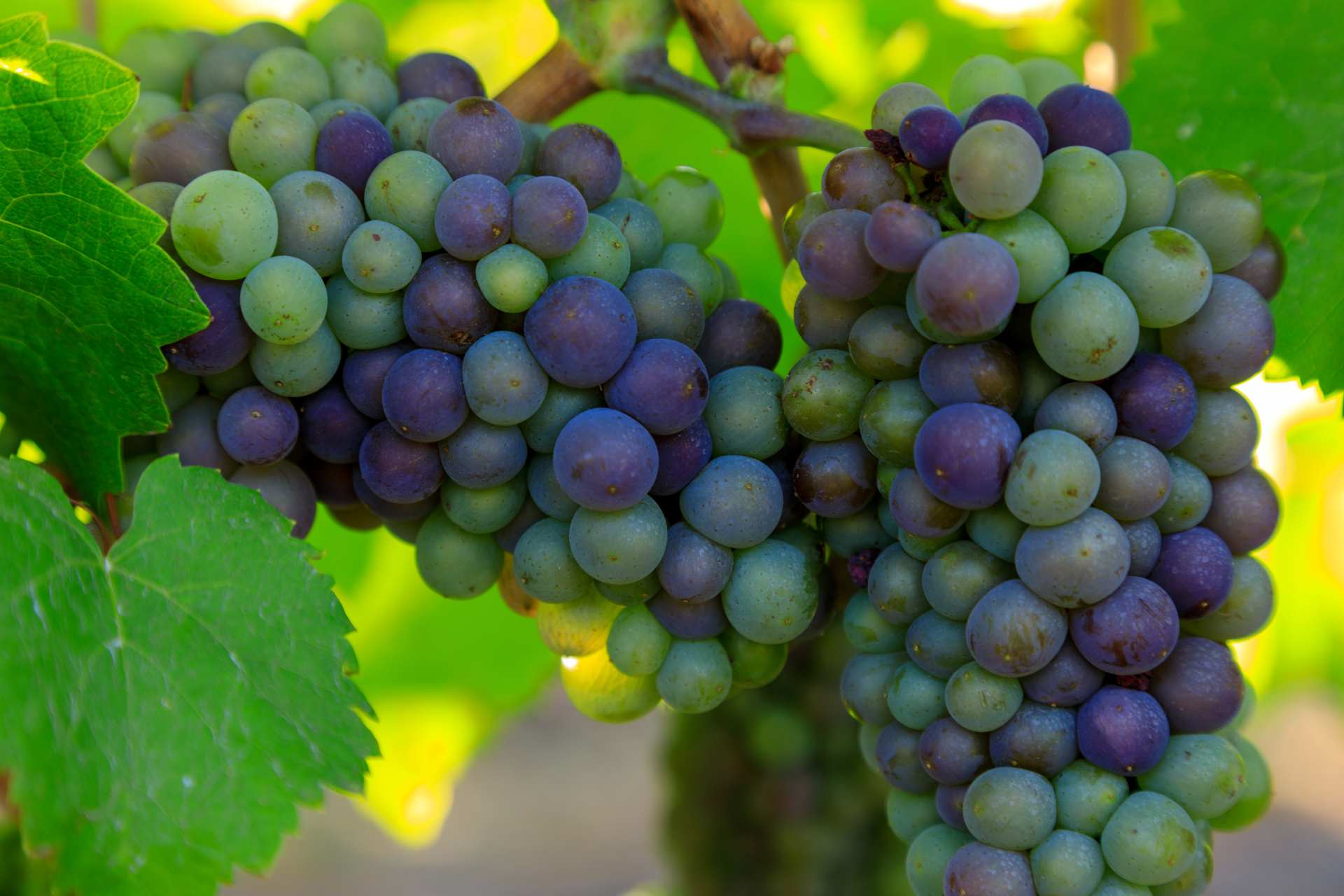
The rise of organic wine production mirrored the natural food movement of the 1980s. To earn certification as “organic” from the USDA, winemakers adhere to strict standards in their vineyards and production processes.
- Farming: Synthetic pesticides, herbicides, and fertilizers are banned. Alternatively, natural composts and cover crops enrich and protect the soil.
- Production: Wines labeled “Made with 100% Organic Grapes” are not necessarily USDA, Certified Organic. To carry the USDA seal:
- All ingredients, including additives like yeast, must be organic.
- No sulfites may be added.
- Any non-agricultural ingredients must appear on the USDA-approved list and account for less than 5% of the final product.
- Availability: Certified organic wines are not yet widely available. The certification process is costly and time-consuming, which limits production and yields.
- In the Glass: Expect a clean, fruit-forward profile that highlights the purity of the grape.
Your local wine shop can help you explore certified organic wines. You might start with:
- Avaline Cabernet Sauvignon (Columbia Valley, Washington )
- Avaline White Wine (Penedes, Spain)
While Avaline meets all USDA organic farming standards, it doesn’t yet carry the official “Organic Wine” label.
Natural Wines
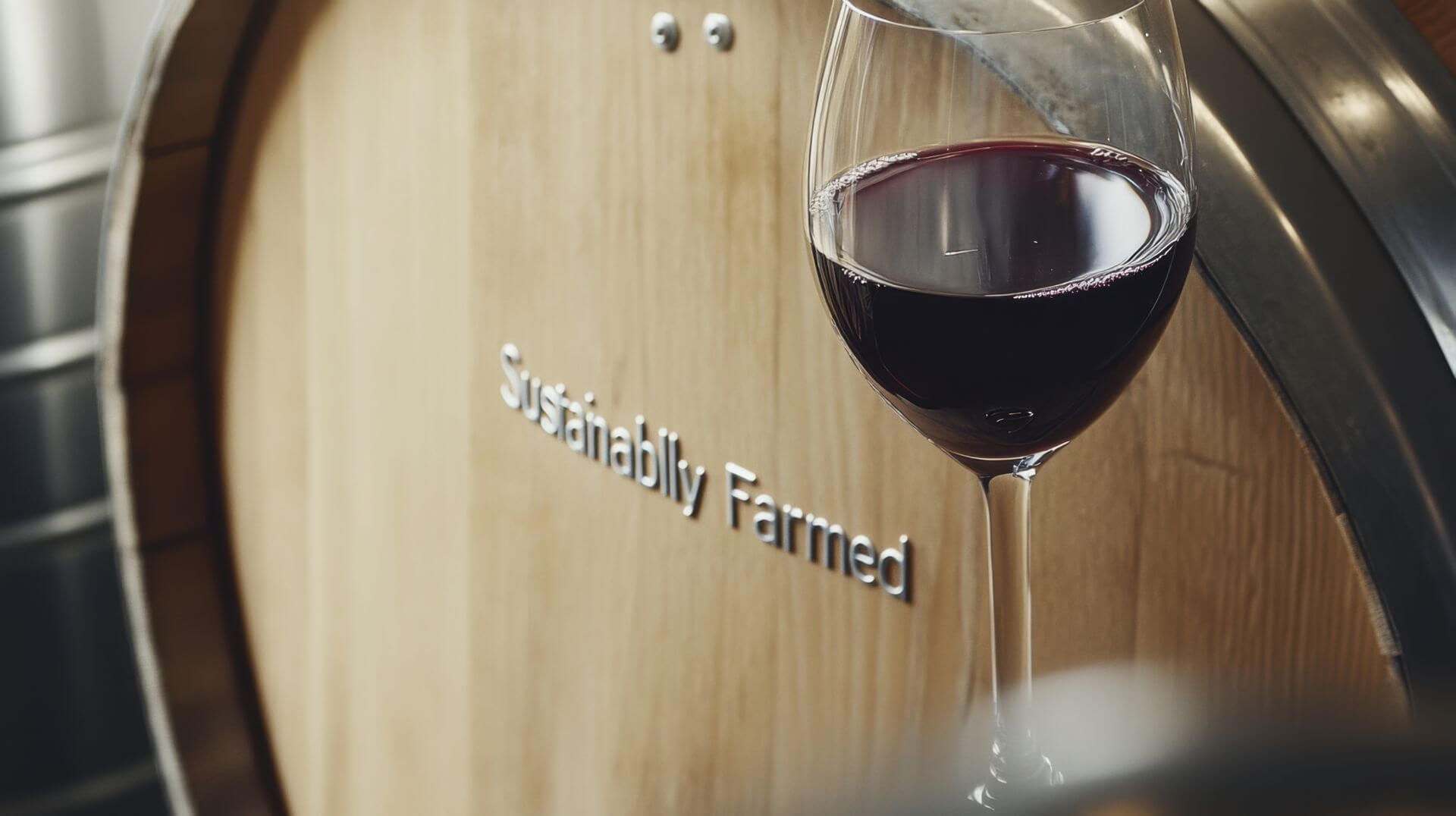
Natural wines are less about regulation and more about philosophy. They’re typically rooted in a producer’s connection to terroir, favoring authenticity over uniformity.
- Farming: Grapes are usually grown using organic or biodynamic practices.
- Production: Fermentation is often spontaneous using wild yeast. The wines are minimally manipulated—unfiltered, unrefined, and low in sulfites.
- Availability: These are limited batch wines that are difficult to scale for mass production and can be hard to locate.
- In the Glass: Expect variation. Some may appear hazy with funky aromas, others crisp and clean. Given time to breathe, natural wines often reveal layered, vibrant, and deeply expressive flavors.
Natural wines don’t follow formal certification standards, though for many wine makers, that’s the point.
Biodynamic Wines
Biodynamic winemaking takes organic practices a step further. It’s a holistic, almost spiritual approach that treats the vineyard as a closed, self-sustaining ecosystem. Timing of farming and winemaking tasks is scheduled around a lunar calendar, and special herbal applications are used to enhance soil and vine health.
- Farming: 100% organic and self-sustained—nothing is brought in from outside the farm.
- Production: Everything from grape to bottle must be aligned with biodynamic principles to qualify for Demeter Certification, the global standard for biodynamic wine.
- In the Glass: These wines are expressive and complex, often carrying a unique energy that fans appreciate.
These biodynamic selections are worth a try:
- Cooper Mountain Vineyards Pinot Gris (Willamette Valley, OR)
- Cooper Mountain Vineyards Pinot Noir (Willamette Valley. OR)
Low-Calorie Wines: Marketing or Meaningful?
This is the fastest-growing category in wine sales. According to The Wall Street Journal, U.S. low-calorie wine Sales jumped from $16 million in 2019 to $209 million in 2024. That’s no small pour. Many lifestyle-focused brands, and some traditional wine makers, have crafted wines for consumers who want flavor, without the extra calories.
- Farming: Varies by producer; some use organic grapes, but it’s not a requirement.
- Production: Wines are often fermented longer to eliminate residual sugars. Less sugar means less alcohol – and fewer calories.
- Labeling: “Low-calorie” won’t always be on the wine bottle. Look for terms like “Light” or check the ABV (Alcohol by Volume). Lower ABV generally means fewer calories. Wines over 13.5% ABV tend to pack more sugar and, as a result, more calories.
Notable brands like Bota Box Breeze, Cupcake LightHearted, and FitVine Wines are leading in this category. Meanwhile, some small producers are creating low-intervention wines; these are artisanal wines made with a minimalist touch, naturally lower in sugar and alcohol, even if they’re not marketed that way.
To Sip or Not to Sip
If you want to reduce sugar or alcohol in your wine intake without sacrificing the pleasure of traditional wines, these alternative styles might be worth exploring. It’s subjective, naturally, some bottles shine brighter than others, so keep an open mind and trust your palate.
Whether you seek wines made with intention or wines crafted for lighter sipping, there’s no shortage of options awaiting your discovery.
